








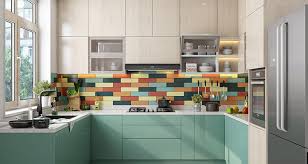
Kitchens have always been considered the heart of the home, and with modern design trends, the demand for stylish, practical, and durable wall finishes has grown significantly. kitchen wall panels have emerged as a popular solution, offering a blend of beauty, convenience, and performance. Among the most sought-after options are MDF, PVC, and composite wall panels. Each material brings unique advantages, making it easier for homeowners to choose according to their lifestyle, design preferences, and budget.
Why Choose Wall Panels for Kitchens
Unlike traditional tiles or painted walls, wall panels provide a seamless and contemporary finish. They not only enhance the aesthetics of the space but also act as a protective barrier against stains, splashes, and moisture. In kitchens, where grease, heat, and water are daily challenges, wall panels offer long-lasting durability with minimal maintenance. The ability to choose from different materials such as MDF, PVC, and composites ensures flexibility in design and functionality.
MDF Wall Panels for a Warm and Stylish Look
Medium Density Fibreboard (MDF) wall panels are widely used in modern kitchens due to their smooth surface, versatility, and ability to hold paint or decorative finishes. They can be designed in various patterns, such as shiplap or raised panels, which add texture and depth to the kitchen walls. MDF panels are also cost-effective, making them a practical choice for homeowners who want a premium look without spending excessively.
While MDF is not naturally waterproof, many modern panels come with protective coatings that enhance their resistance to moisture. When properly sealed and maintained, they can last for years while retaining their aesthetic appeal. For those aiming to achieve a warm and welcoming kitchen design, MDF wall panels provide an excellent balance of charm and functionality.
PVC Wall Panels for Durability and Easy Maintenance
PVC wall panels have gained immense popularity for kitchen use due to their water resistance, lightweight structure, and hassle-free maintenance. They are perfect for areas exposed to constant splashes, heat, and stains, such as behind sinks and cooktops. Their non-porous surface makes cleaning extremely simple, requiring just a wipe with a damp cloth.
Another advantage of PVC panels is their wide variety of finishes, ranging from sleek high-gloss designs to realistic stone, tile, and wood effects. This allows homeowners to achieve luxurious looks without the associated high costs. Their durability also ensures that they remain resistant to warping, cracking, or discoloration over time.
Composite Wall Panels for Strength and Modern Appeal
Composite wall panels combine multiple materials, often resin, stone particles, or polymers, to deliver high strength and long-lasting performance. These panels are particularly suited for homeowners who want a balance of elegance and durability. They often replicate natural stone, marble, or other high-end finishes, giving kitchens a sophisticated appearance.
What sets composite panels apart is their superior resistance to heat, moisture, and wear. Unlike tiles that require grout maintenance or paint that may peel over time, composite wall panels provide a consistent and robust surface. They are ideal for contemporary kitchens where a sleek, seamless, and highly resilient finish is desired.
Design Versatility and Installation Benefits
All three types of wall panels—MDF, PVC, and composite—offer remarkable design versatility. Whether the goal is to create a rustic, classic, or ultra-modern kitchen, these materials come in finishes and colors to suit every taste. Another advantage is the ease of installation, as panels can often be fitted over existing surfaces, reducing renovation time and costs. This makes them a practical choice not only for new builds but also for upgrading older kitchens.
Conclusion
Modern kitchen wall panels in MDF, PVC, and composite materials provide homeowners with stylish, practical, and long-lasting solutions for everyday use. MDF panels add warmth and classic charm, PVC panels ensure easy maintenance and moisture resistance, while composite panels offer strength and luxury appeal. Together, these materials have transformed the way kitchens are designed, making them more functional, elegant, and tailored to modern lifestyles. For anyone seeking to create a kitchen that balances design with durability, wall panels in these materials are an ideal choice.