








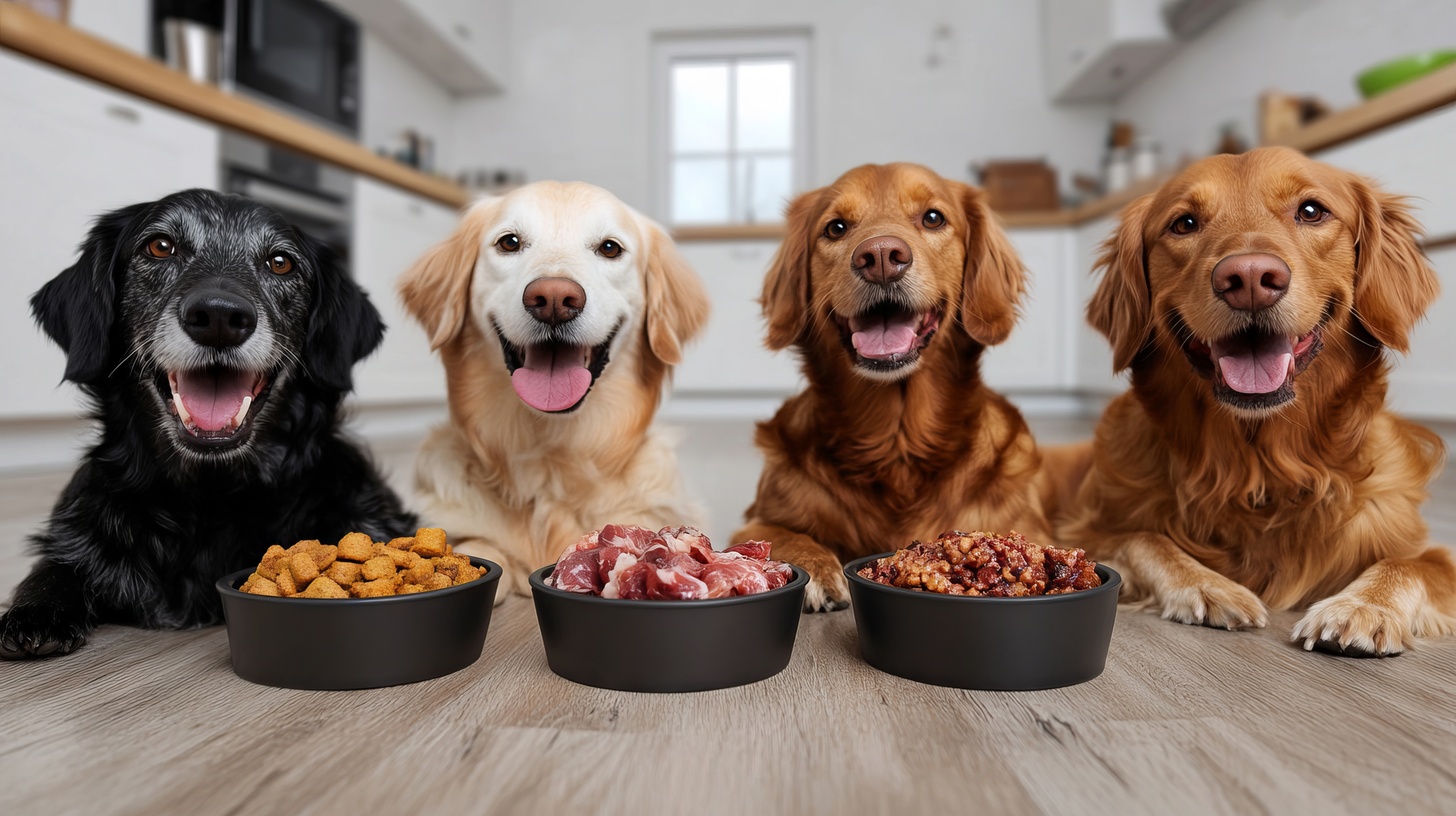
Dogs suffering from chronic gas and related gastrointestinal issues like bloating, cramping, and loose stools often benefit greatly from changes to their diet. The people at Nextrition say that finding the right dog food for gassy dogs can vastly improve your pup’s comfort. It requires paying attention to labeling and ingredients.
Understanding Sensitivity
Gassiness indicates food intolerance or difficulty properly digesting certain components. Dogs have a higher need for easily digestible carbs and protein because their gut enzymes break them down less efficiently than humans’. Things humans tolerate well, like lactose, wheat and soy, cause problems in canine stomachs. Artificial additives disrupt digestion as well.
An elimination diet helps identify triggers. Switching to a limited ingredient food eliminates excess components. Dog foods focused on digestive care limit problematic ingredients. Better digestion means less gas and abdominal discomfort.
Transition Gradually Between Foods
Sudden switches between dog foods can worsen tummy troubles. Gradually transition over 5-7 days, slowly increasing the new while decreasing the old. Watch stool quality and consistency and stop if digestive upset flares; then increase transition time.
This gives your dog’s gastrointestinal bacteria and enzymes time to adapt to new proteins and carbs. Probiotic supplements support healthy gut flora, too. Once transitioned, consistency in diet keeps digestion regular.
Choose Limited Ingredient Dog Foods
Formulas with fewer components reduce the risk of sensitivity reactions. Limited ingredient diets use one novel protein and digestible grain like sweet potato or white rice without extra additives. This simplifies the breakdown process.
Check all ingredients against your dog’s known intolerances. Call manufacturers about preparation processes and facility procedures regarding potential cross-contamination as well if serious allergies exist. Limited diets make it easier to pinpoint causes.
Incorporate Prebiotics and Probiotics
Gassy dogs often have fewer good gut bacteria, allowing populations like E. coli and Salmonella to proliferate and thus produce more gas. Prebiotics provide nutrients that good microbes need. Soluble fibers like those in pumpkin, squash and oatmeal become food for them. Start with small doses to avoid excess gas initially as bacteria multiply.
Probiotic supplements contain strains of helpful bacteria for the gastrointestinal system. Choose products listing live culture counts from species known to improve intestinal and immune health.
Review Sources of Protein
Rich meats and fatty proteins require extensive enzyme production and ramp up stomach acids, making them hard to digest, which allows gut bacteria to ferment the leftovers creating gas. Choose easily digestible proteins like fish, eggs, dairy or lean poultry first.
Check fat percentages as excess fats and oils inhibit digestion in dogs prone to indigestion. Balance across simpler proteins and carbs gives their gut diversity without overburdening any pathway. Rotate proteins across meals rather than overload one type per day.
Avoid Certain Additives
The long chemical names of emulsifiers, preservatives, colorants and flavorings alone indicate disruption to a dog’s natural digestion. Artificial additives provide no nutrition and often cause adverse reactions, especially in sensitive dogs. Limiting additives reduces strain on their system.
Specifically avoid ingredients ending in “ol” like colorants and flavor enhancers. Also research specific items of concern like sodium erythorbate for promoting tumor growth, BHA preservatives and carrageenan linked to gastrointestinal disease. Dog foods focusing on gentle processing and all natural ingredients typically exclude these.
Conclusion
Adjusting your dog’s diet helps minimize gas and digestive trouble significantly. Identify likely intolerances then transition very slowly onto an appropriately balanced limited ingredient dog food made with gentle fiber sources, digestible proteins and probiotic support. Relief from gas and gut issues starts with diet changes catered to your dog’s needs. Specific dog food for gassy dogs makes their digestive system work optimally again.