





Introduction
The search for Mimosa Hostilis For sale has increased significantly as more people become interested in botanical products, ethnobotanical studies, and natural plant materials. Mimosa hostilis, also known as Mimosa tenuiflora, is a perennial tree native to regions of Central and South America. Its root bark is widely known in botanical markets due to its unique physical properties and long history of traditional use. However, as demand grows, so does the variation in product quality. Understanding what makes a high-quality product is essential for anyone exploring Mimosa Hostilis For sale, especially in an online marketplace where sourcing and processing standards can differ widely.
Understanding Mimosa Hostilis
Mimosa hostilis is a fast-growing, hardy tree that thrives in tropical and subtropical climates. The most commonly traded part of the plant is the inner root bark, which is harvested, dried, and processed into different forms such as shredded bark or powder. When people look for Mimosa Hostilis For sale, they are usually referring to this root bark product.
The quality of the final product depends heavily on environmental conditions, harvesting techniques, and post-harvest processing. Because the plant is naturally rich in fibrous material, careful handling is required to preserve its integrity and prevent contamination or degradation.
Why Product Quality Matters
Quality is one of the most important factors when evaluating Mimosa Hostilis For sale. Poor-quality material may be improperly dried, contaminated, or incorrectly stored, which can affect its stability and consistency. High-quality products, on the other hand, are carefully harvested and processed under controlled conditions to preserve their natural characteristics.
Buyers often assume that all products labeled as Mimosa hostilis are the same, but this is not the case. Differences in soil conditions, climate, and harvesting methods can significantly impact the final product’s appearance and quality.
Key Indicators of High-Quality Mimosa Hostilis
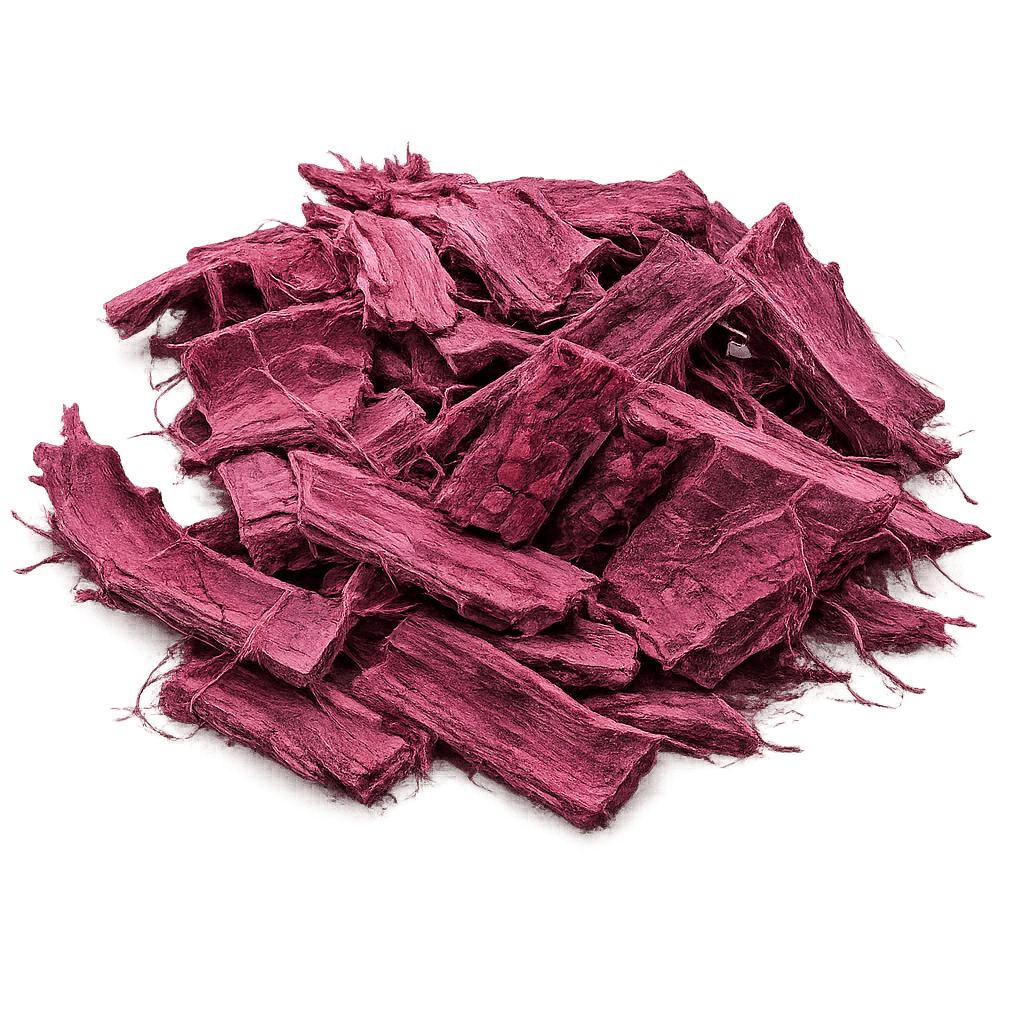
When assessing Mimosa Hostilis For sale, several indicators can help determine product quality. One of the most important is color consistency. High-quality root bark typically has a natural brown to reddish-brown tone that reflects proper drying. If the material appears overly dark, patchy, or uneven, it may indicate improper processing or aging.
Texture is another important factor. Quality root bark should feel dry but not brittle, and it should be free from excessive dust or foreign particles. Powdered forms should be fine and uniform, without clumping or moisture buildup.
Cleanliness is also essential. Good-quality material should be free from soil, mold, or unrelated plant matter. Reputable suppliers take care during harvesting and processing to ensure a clean final product.
Importance of Ethical and Sustainable Sourcing
Sustainability plays a major role in the global trade of Mimosa Hostilis For sale. Because the plant is harvested from natural environments, responsible sourcing practices are necessary to prevent environmental degradation. Ethical suppliers often work with local harvesters who follow sustainable methods, ensuring that only mature trees are harvested and that ecosystems remain balanced.
Sustainable sourcing also supports local communities that rely on plant harvesting as a source of income. Buyers who prioritize ethically sourced products contribute to environmentally responsible trade practices and long-term ecological stability.
Processing Methods and Their Impact
Processing is a critical step that directly affects product quality. After harvesting, the root bark must be carefully cleaned to remove soil and debris. It is then dried under controlled conditions to prevent mold growth and preserve its natural structure.
Improper drying methods, such as exposure to excessive sunlight or moisture, can damage the bark and reduce its quality. Similarly, poor storage conditions after processing can lead to contamination or degradation over time. High-quality Mimosa Hostilis For sale products are typically processed in small batches to ensure consistency and careful handling.
Different Forms of Mimosa Hostilis
When browsing Mimosa Hostilis For sale, buyers will often encounter different product forms. The most common types include shredded bark, powdered bark, and chips. Each form has its own advantages depending on the intended use.
Shredded bark is often preferred for its longer shelf life and easier visual inspection. Powdered forms offer convenience and faster usability but require more careful storage to prevent moisture absorption. Chips or coarse cuts fall somewhere in between, offering a balance of durability and ease of handling.
How to Identify Reliable Suppliers
Choosing a reliable supplier is one of the most important steps when purchasing Mimosa Hostilis For sale. A trustworthy vendor will provide clear and detailed product descriptions, including origin, processing methods, and storage recommendations.
Customer reviews and feedback can also provide valuable insight into supplier reliability. Consistently positive reviews often indicate good product quality and customer service. Additionally, reputable suppliers are usually transparent about their sourcing practices and willing to answer customer questions.
Avoiding vendors with vague descriptions or unrealistic claims is essential, as these may indicate lower-quality or misrepresented products.
Pricing and Market Variation
The price of Mimosa Hostilis For sale can vary widely depending on several factors. These include product quality, geographic origin, processing method, and supply chain logistics. Higher-quality, carefully processed root bark typically commands a higher price due to the labor and care involved in production.
Import regulations, shipping costs, and seasonal availability can also influence pricing. Buyers should be cautious of extremely low prices, as they may indicate inferior quality or improper handling.
Storage and Longevity
Proper storage is essential for maintaining the quality of Mimosa hostilis root bark. Exposure to moisture, heat, and direct sunlight can negatively affect the material over time. It is generally recommended to store the product in a cool, dry place using airtight containers.
Proper storage helps preserve texture, color, and overall stability. This ensures that the product remains in good condition for longer periods, especially if it is not used immediately after purchase.
Legal and Responsible Considerations
Before purchasing Mimosa Hostilis For sale, it is important for buyers to understand the legal status of the product in their region. Laws and regulations can vary significantly depending on the country or jurisdiction, and it is the responsibility of the buyer to ensure compliance.
Responsible purchasing also includes ethical considerations. Supporting suppliers who follow sustainable harvesting and fair trade practices helps promote environmentally conscious and socially responsible commerce.
Conclusion
Understanding what makes a high-quality product is essential when exploring Mimosa Hostilis For sale. Factors such as sourcing methods, processing techniques, product appearance, and supplier transparency all play a role in determining quality.
By taking the time to evaluate suppliers carefully and understand the characteristics of good-quality material, buyers can make more informed decisions. Whether for botanical study or general interest, choosing responsibly sourced and properly processed Mimosa hostilis ensures a better overall experience and supports sustainable practices in the global plant trade.